Photographing Zhangjiajie
Where to be at 07:00, which month gives you cloud, and why the best picture is usually from below, not above.
Zhangjiajie photographs badly in the middle of the day. Flat light, haze, and a thousand people in the frame. It photographs brilliantly in the two hours after opening and the hour before closing, when the pillars separate from the background and the tour groups are eating.
The other half of the equation is weather. Clear blue skies are the postcard; low cloud is the picture. November to February gives you the highest chance of the sea of clouds that makes this place look like the film it inspired.
The six frames worth planning around
- Hallelujah Mountain, Yuanjiajie — the classic. From the platform beside the pillar at 08:00, or five minutes further on for a wider composition. A 70–200 mm compresses the layers beautifully.
- First Bridge Under Heaven — a natural stone arch. Shoot from the far side looking back for the drop; the near side is crowded and flat.
- Imperial Brush Peak, Tianzi Mountain — best in morning side-light. The peaks read as brushstrokes against haze.
- Natural Great Wall, Yangjiajie — a ridge of pillars like a fortification. Late afternoon, long lens, and almost nobody.
- Golden Whip Stream — the pillars from below, with water as foreground. Overcast is better than sun here; bring a polariser.
- Glass bridge from the canyon floor — the better photograph is looking up at the bridge, not standing on it. Wide angle, mid-afternoon.
A shooting schedule
| Time | Where | Why |
|---|---|---|
| 06:45 | Wulingyuan gate | First shuttle, empty paths |
| 07:30–09:30 | Yuanjiajie | Side-light, mist in the valleys |
| 10:00–12:00 | Tianzi Mountain | Wide panoramas as haze lifts |
| 12:00–15:00 | Transfer / eat / scout | Worst light of the day |
| 16:00–18:00 | Yangjiajie or Golden Whip | Warm light, thin crowds |
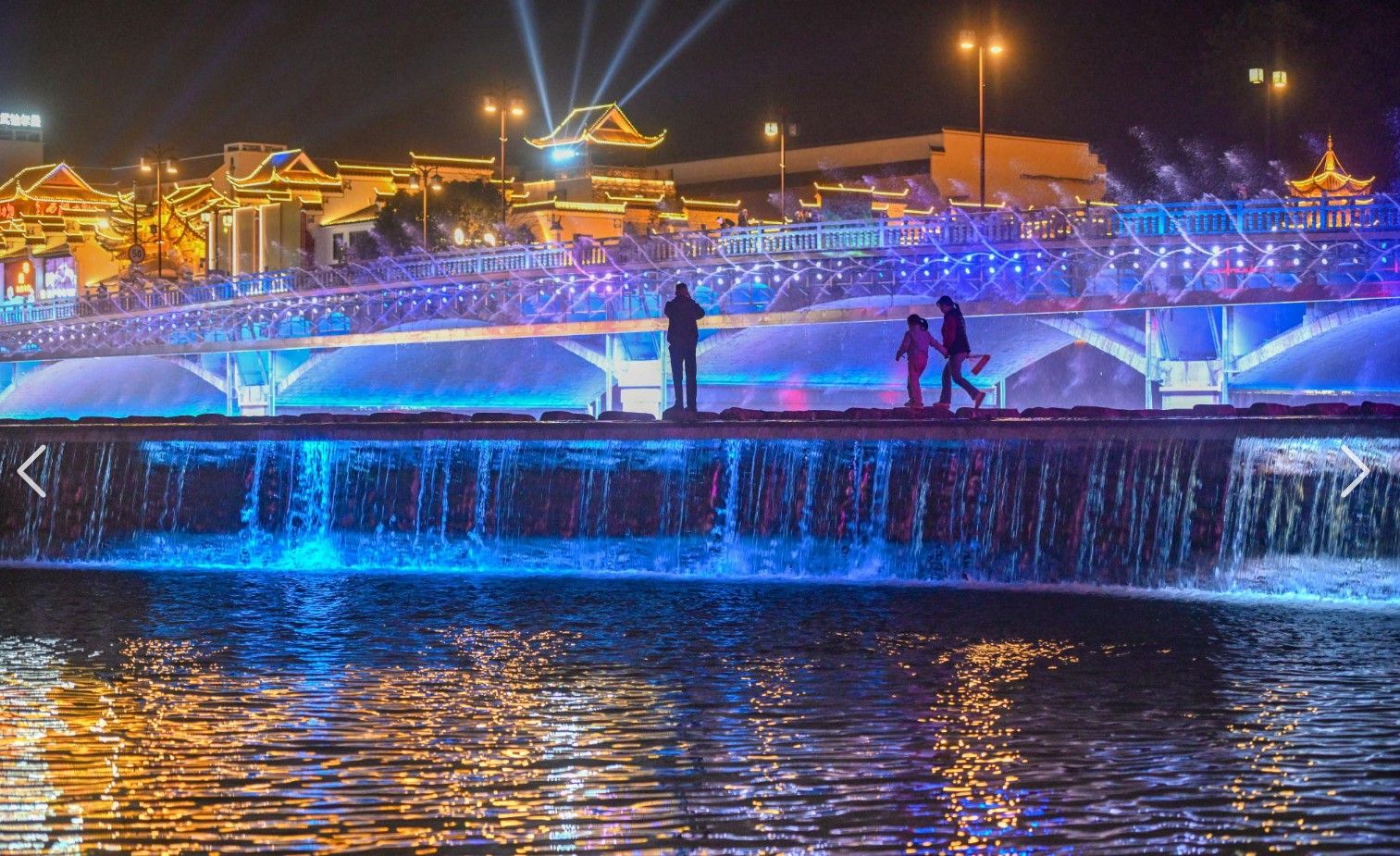
| After dark | 72 Wonders, Wulingyuan | Night market and illuminated river |
Kit and rules
Bring one wide (16–35 mm) and one telephoto (70–200 mm). The telephoto matters more than you think: these landscapes are about compression, not breadth. A polariser helps in the valley; a rain cover is essential in summer.
Tripods are allowed in the park and at Tianmen, but not on the glass bridge. Drones require permission and are restricted across most of the scenic area — assume you cannot fly, and check locally before unpacking one.
The phenomenon needs a temperature inversion after rain: cold, clear night, then a warm, humid morning. November to February gives the best odds. Stay in Wulingyuan so you can be at the gate when it opens rather than on a bus from the city.
Common questions
When is the best time for the sea of clouds?
Can I fly a drone?
Is a tripod worth carrying?
Next: tickets and timing
Prices, booking channels and the passes that actually save money.