What to buy in Zhangjiajie,
and what it is worth
Meicha vine tea, Miao silver, Tujia brocade and kudzu pastry — the five things people here actually give, what each one costs, and where the honest shops are.
You will leave Zhangjiajie through either the airport or the high-speed station, and both are lined with the same three shops selling the same three boxes. Skip those. The good gifts here are specific: a vine tea that is not tea, silver hammered by Miao craftsmen, a brocade that carries a language inside its pattern.
None of it is expensive by international standards, and almost none of it is sold online. Buy it here or not at all.
The five gifts worth carrying home
Two of these are made by hand within an hour of the park — the brocade and the silver — and both are sold by the people who make them. The tea and the pastry are agricultural; the kettle sits somewhere in between.
Meicha · 茟茶
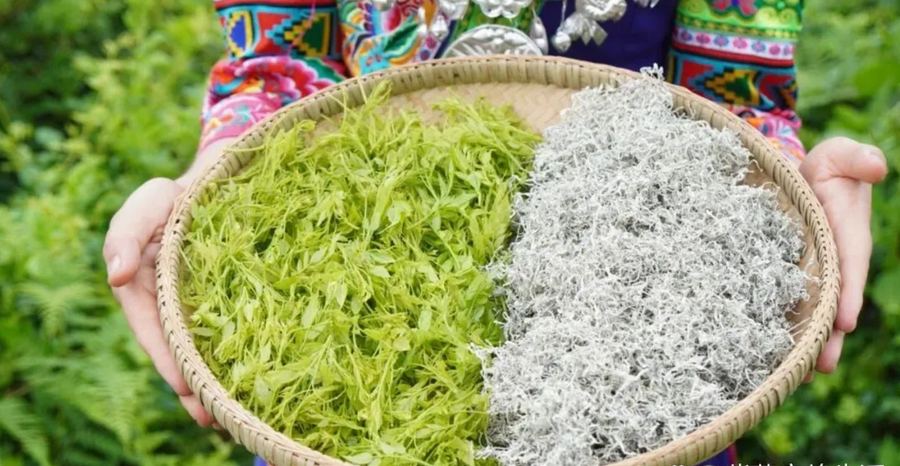
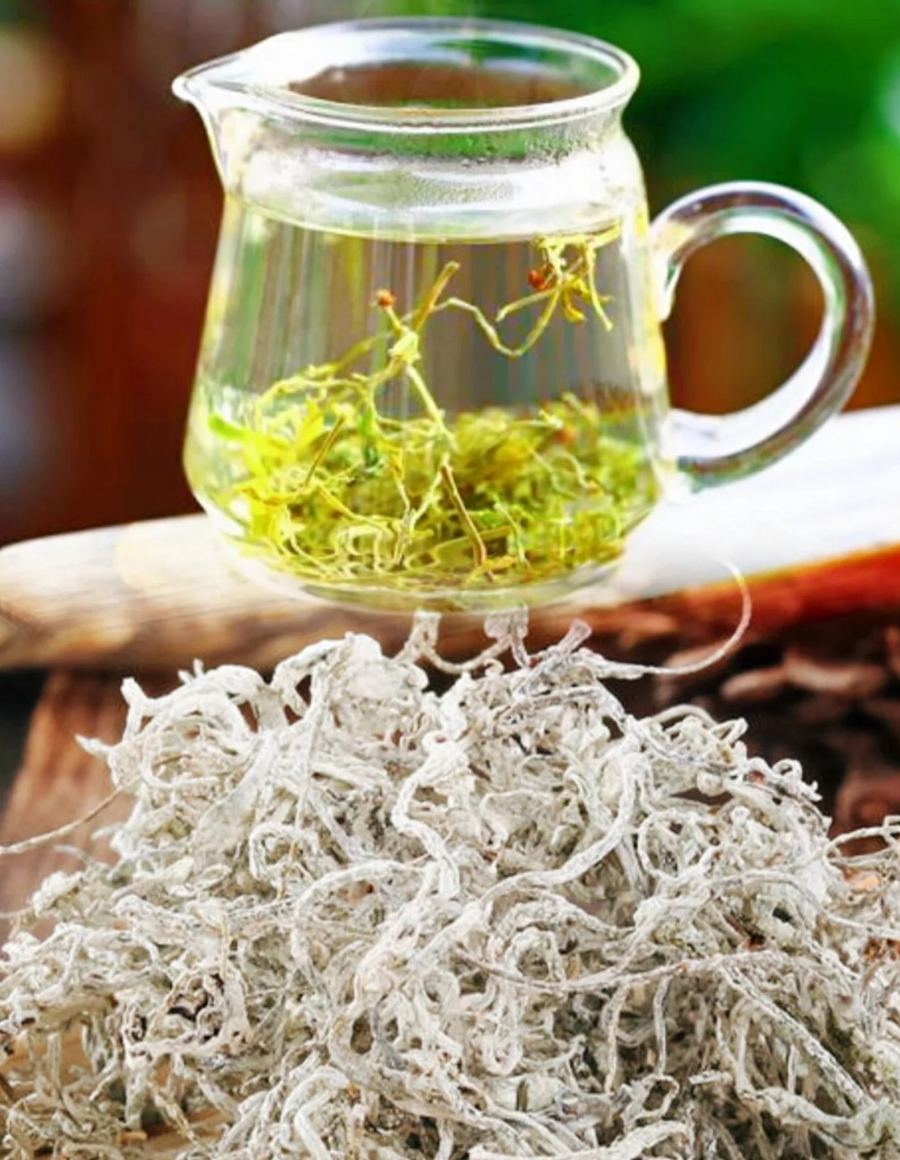
Not a tea plant at all. Meicha is Ampelopsis grossedentata, a wild vine from the Wuling Mountains, and the Tujia call it their divine tea. The white frost on the dried leaves is natural flavonoid crystal, not mould — that is exactly what you are paying for.
Bitter on the first sip, sweet for a long time after, and no caffeine, so it is drinkable at midnight. The most local thing you can carry home.
Expect ¥40–120 per 100–250 g
Miao silver jewellery · 苗银
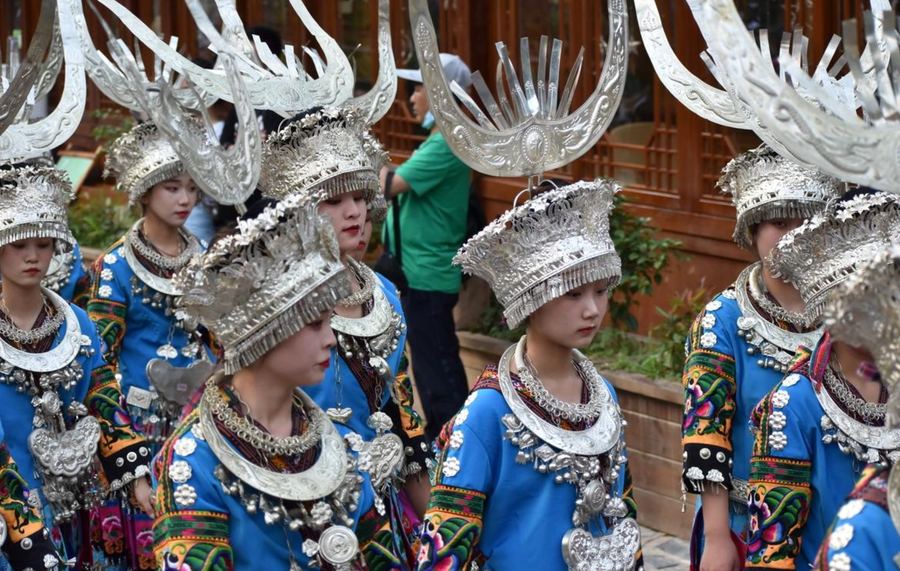
Hand-worked silver from the Miao villages west of the park, patterned with butterflies, birds and old totems. Every piece is hammered and chiselled sheet by sheet, so no two are identical.
Necklaces, bangles and pendants. Buy by weight and purity, not by the story — and ask for the 999 stamp before you pay.
Expect ¥80–600, by weight
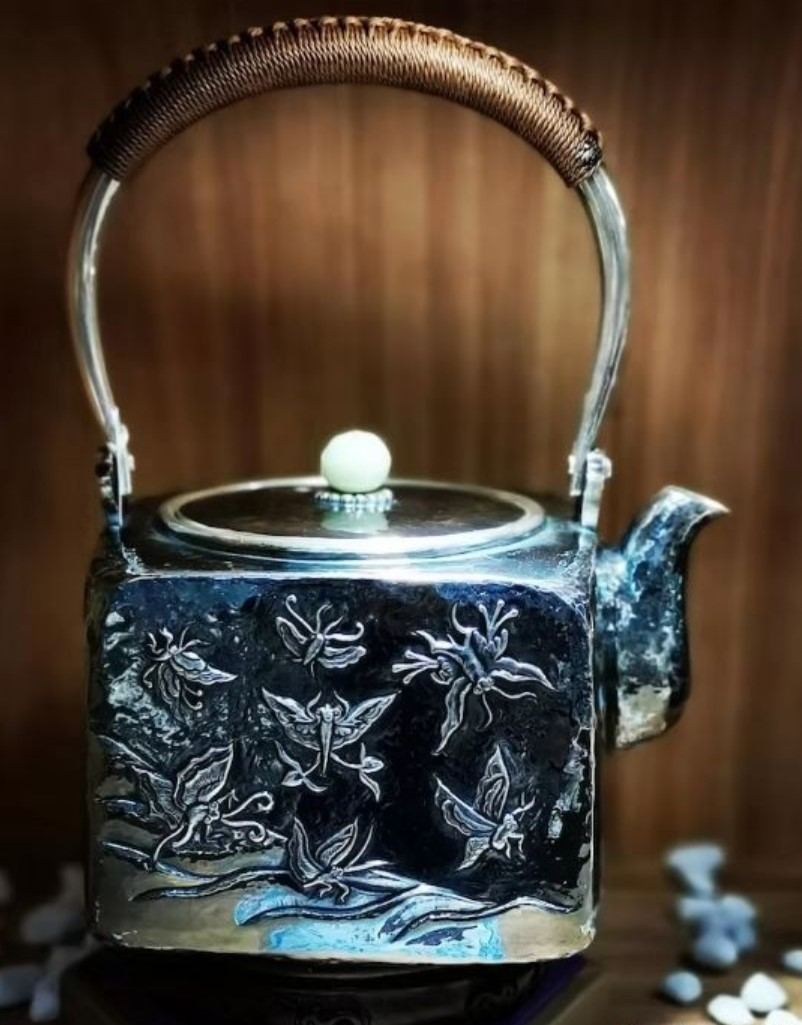
Silver kettle and cups · 银壶 / 银杯
Repeated hammering gives the silver a soft, warm surface, and brewing meicha in it rounds off the bitterness. The cups are small, portable and pleasant to drink plain water from.
A genuine hand-forged kettle is heavy for its size and comes with a weight certificate. If it feels light and shiny, it is plated.
Kettle ¥600–1,200 · cup ¥120–260

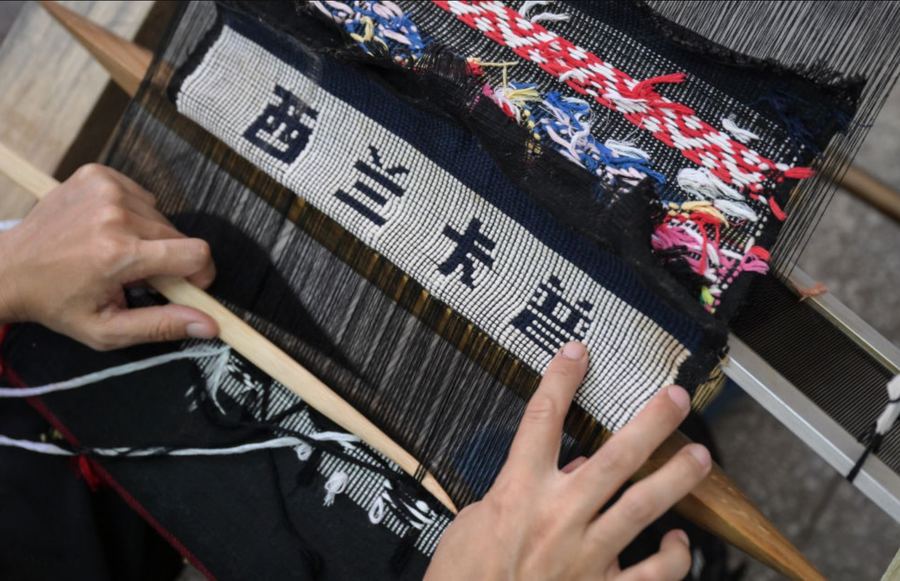
Xilankapu bag · 西兰卡普
Tujia brocade, and a national intangible cultural heritage. In the Tujia language xilan is a quilt and kapu is a flower; the cloth is called the wordless history book of the Tujia.
Old panels are cut and resewn into bags: loud colour, geometric patterns, genuinely durable. Hand-woven panels cost twice what machine copies do, and feel completely different.
Machine-sewn ¥150–450 · hand-woven ¥600+
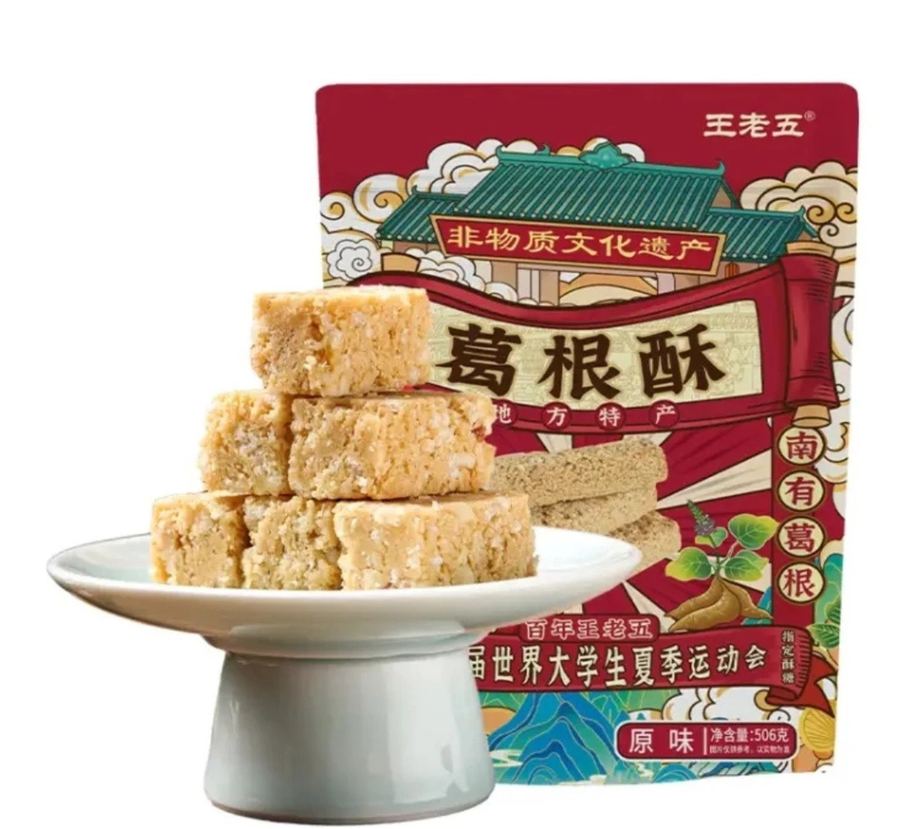
Kudzu root pastry · 葛根酥
“Kudzu in the south, ginseng in the north,” the saying goes. The root grows deep in these mountains, and the pastry is made from its starch with grains and nuts: crisp, lightly sweet, not greasy.
Individually wrapped, so it survives a suitcase and works as the office gift. Buy it at the end of the trip, not the start.
Expect ¥25–60 a box
What not to buy
- “Jade” and “antique” shops that tour guides steer you into — commission stops, priced for the commission.
- “Miao silver” at ¥30 a bangle — that is nickel alloy, and it will turn your wrist green.
- Loose “wild” herbs with no label, no producer and no date. Customs will take them anyway.
- Anything oversized — a 1.2 m brocade wall hanging is lovely and will not fit in your luggage allowance.
Where to buy them
Three places cover almost everything, and they are not equivalent.
72 Wonders, Zhangjiajie city
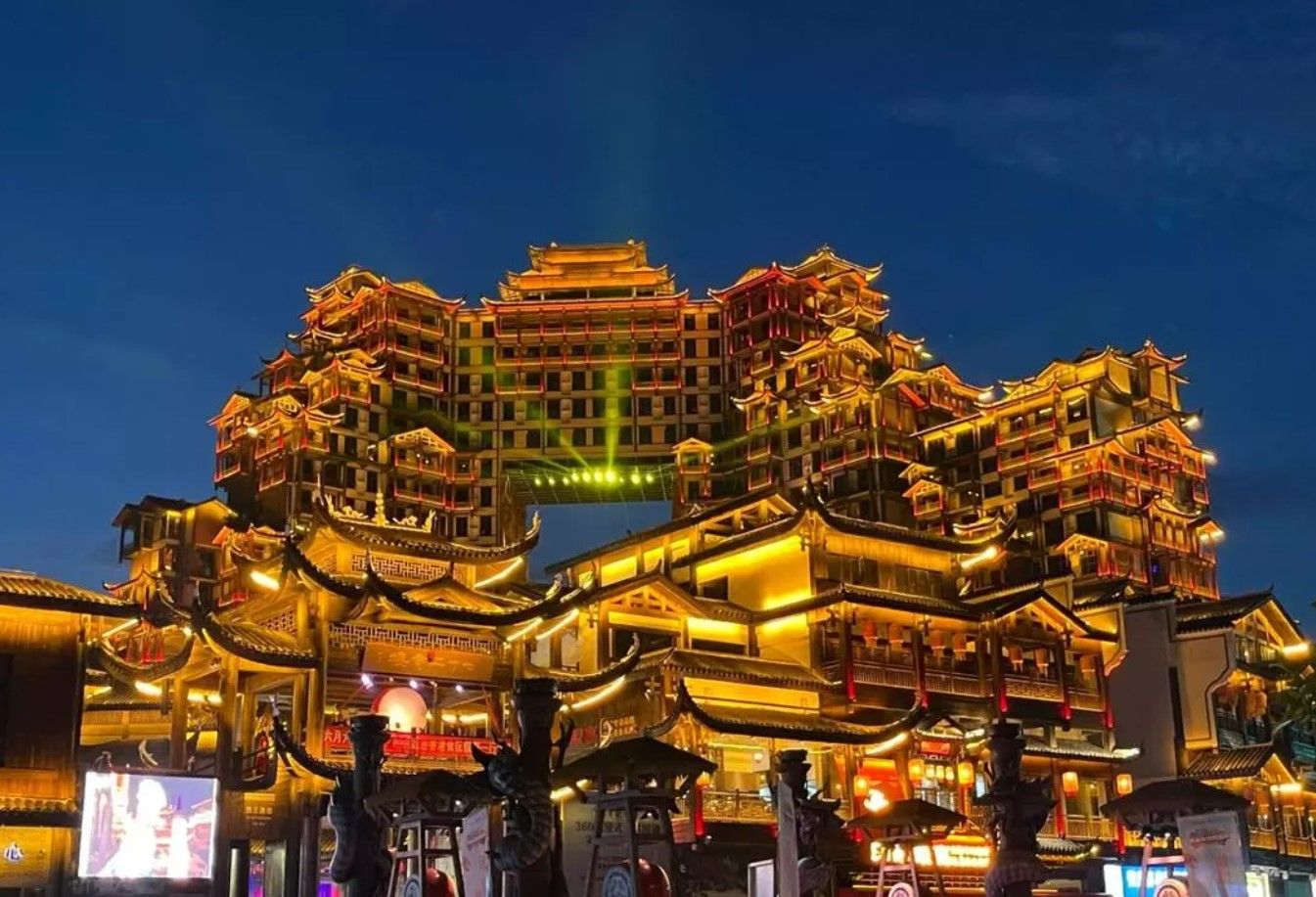
The night market and shopping complex near the railway station is the single best stop: meicha with tasting, kudzu pastry, brocade bags and a row of silver shops that will weigh and stamp in front of you. Prices are close to fixed, opening hours run late, and it is five minutes from most city hotels. Do your buying here if you only have one evening.
Xibu Street and He Long Avenue, Wulingyuan
The tourist town's shopping street, walkable from the park gate. Strongest on brocade and silver, weakest on tea. Prices start 30–50% above the city, so this is where mild bargaining is normal — ask for the “last price” and be willing to walk.
The airport and the station
Convenient and 30–50% dearer. Fine for a last box of pastry or a tin of meicha; useless for silver and brocade.
If a guide or driver insists on one specific shop and waits outside, the shop is paying for that wait. Nothing in this list requires a guide, and no honest silver shop refuses to show you the stamp.
What they should cost
| Gift | Fair price | Where | Watch for |
|---|---|---|---|
| Meicha, 100 g | ¥40–120 | 72 Wonders | Frost good, damp bad |
| Miao silver bangle | ¥80–300 | Wulingyuan | 999 stamp + receipt |
| Silver kettle, 200 g | ¥600–1,200 | Silver workshops | Weight certificate |
| Xilankapu bag | ¥150–600 | Xibu Street | Hand vs machine |
| Kudzu pastry box | ¥25–60 | Airport, supermarkets | Check the date |
| Brocade wall panel | ¥300–1,500 | Xibu Street | Size vs luggage |
How to tell real silver from the tourist version
Almost everything sold as “Miao silver” in Hunan is one of three things: 999 fine silver, 925 sterling, or a copper-nickel alloy with no silver in it at all. The third is what ¥30 bangles are made of, and it is what turns skin green.
- Ask for the stamp. Real pieces are marked 999 or 925, usually on the clasp or the base. A shop that cannot show you the mark is selling alloy.
- Weigh it. Ask for the scale and the price per gram. Fine silver in 2026 runs roughly ¥8–12 a gram before workmanship; a 40 g bangle at ¥60 is not silver.
- Take the receipt with the weight and purity written on it. Reputable shops write it without being asked.
- Skip the magnet trick and the ice test. Both are folklore; neither proves anything.
Packing, weight and customs
Meicha is light and sealed — 500 g fits in a corner of a carry-on. Keep it dry; the flavonoid frost dissolves if the bag gets damp.
Silver belongs in hand luggage. A kettle will be flagged by security in checked bags more often than in the cabin, and it is heavy enough to matter for a 20 kg allowance.
Pastry keeps about six months sealed. Buy it in the last 24 hours so it survives the trip home.
Customs: tea and packaged pastry are fine almost everywhere, but Australia, New Zealand and the United States restrict plant and food products — declare it and let them decide. Silver for personal use is not an issue; undeclared high-value pieces are. If you are buying a kettle as an investment, keep the certificate with it.
Common questions
Is meicha really caffeine-free?
Can I bring silver and tea home through customs?
Do shops take foreign cards?
Should I bargain?
Last morning, last purchases
Buy tea and pastry on the way to the airport, and leave the silver for the city the night before — workshops close earlier than the market.